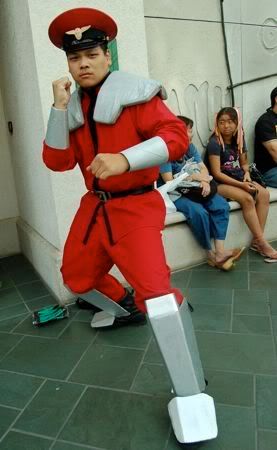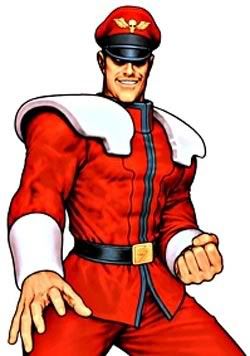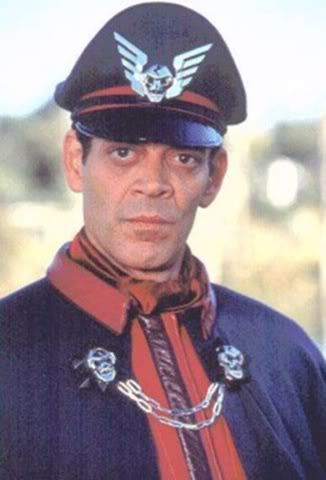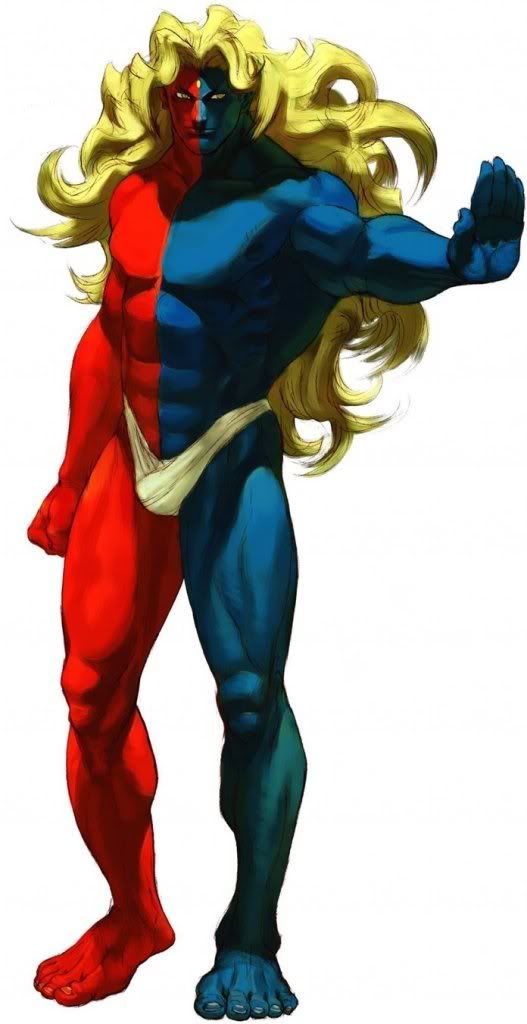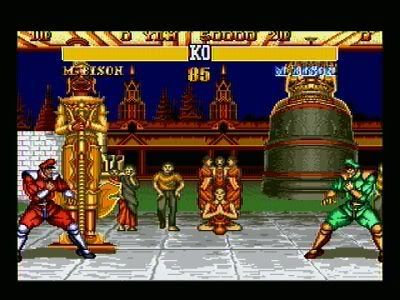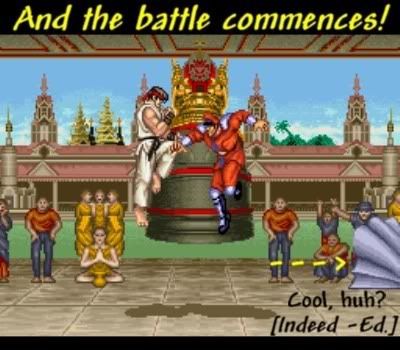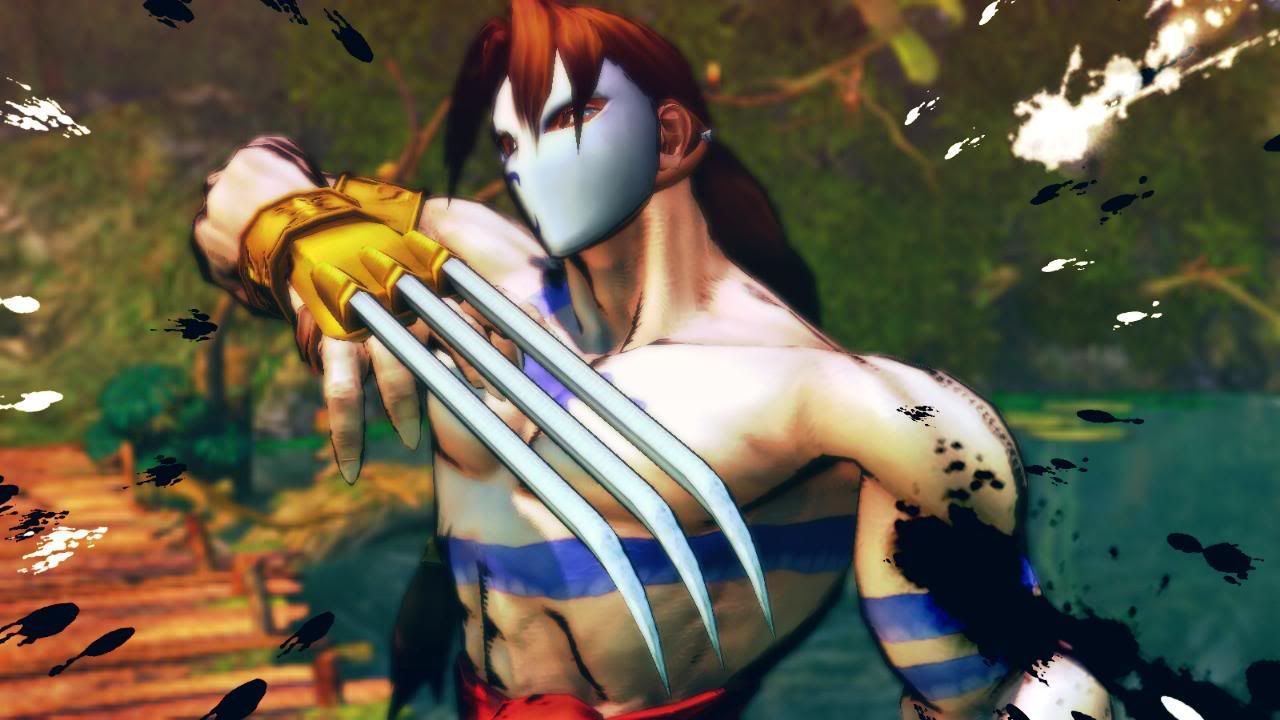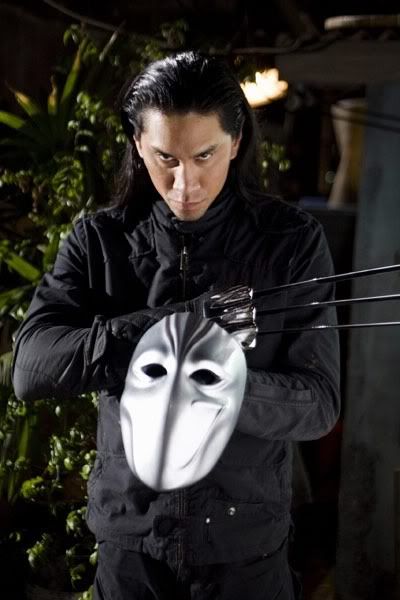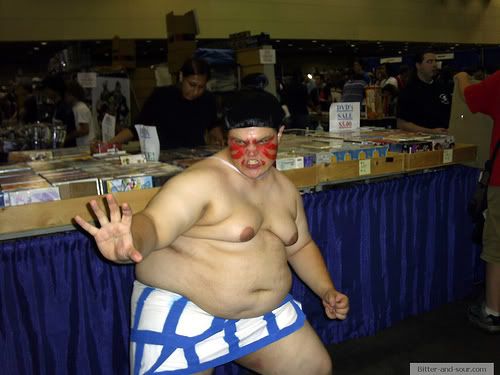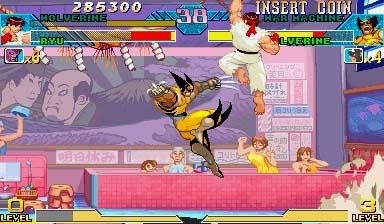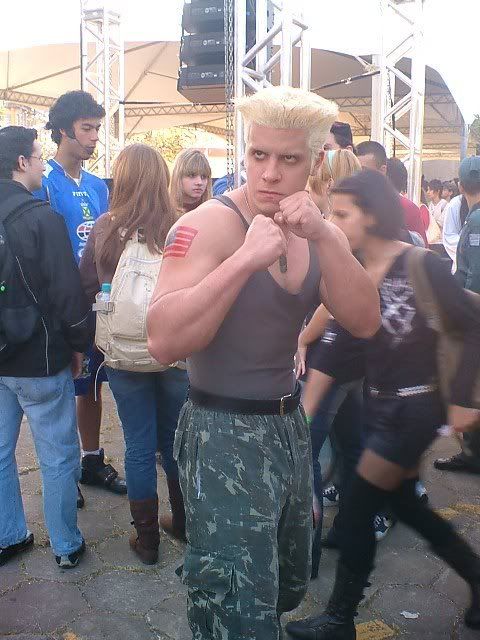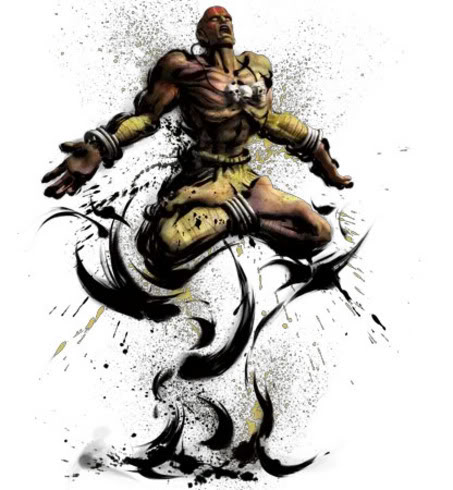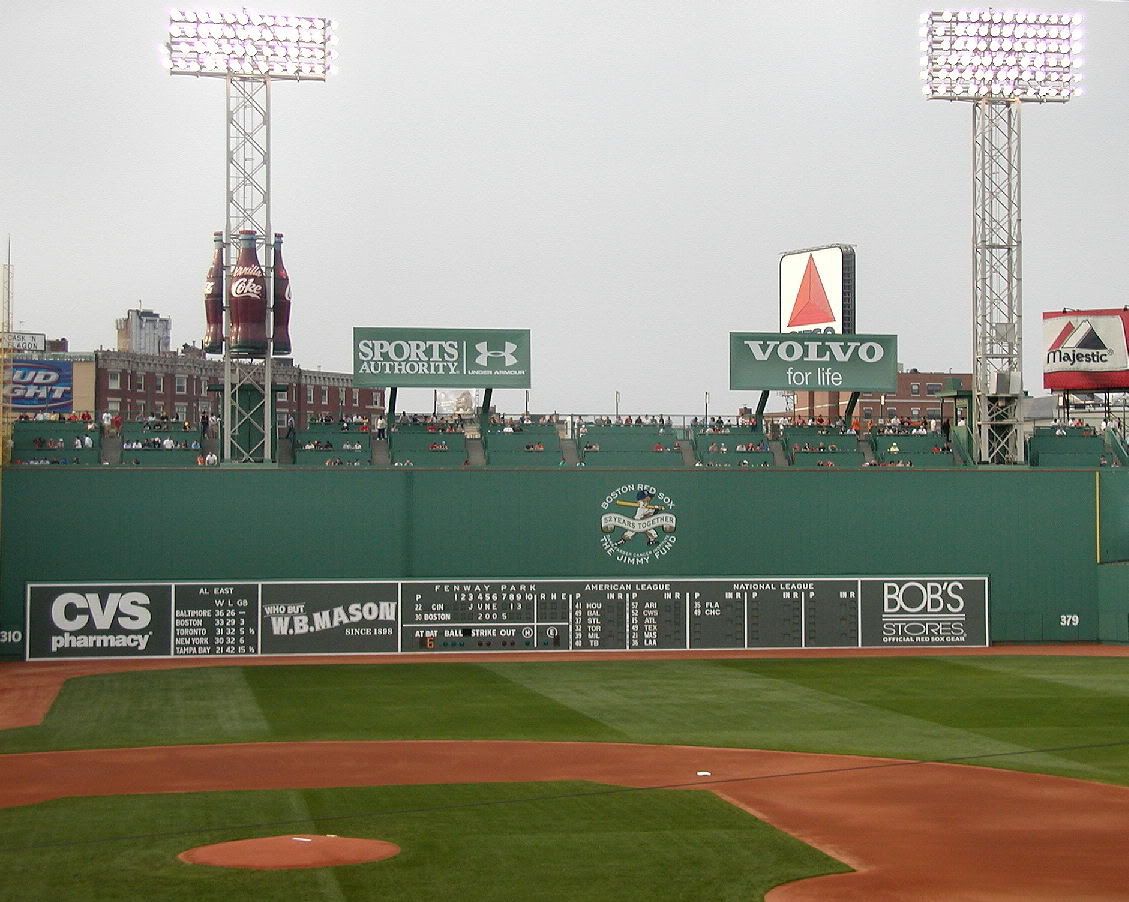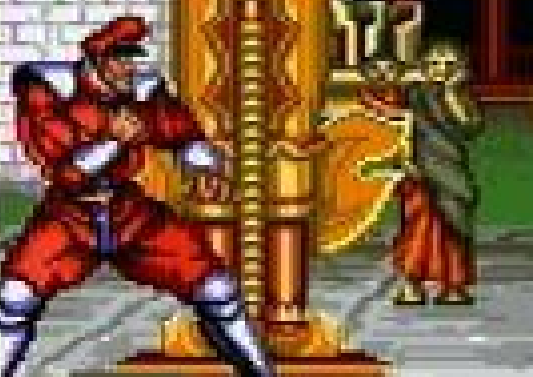
M. Bison. The Dictator, the final boss, the guy who's personification has evolved from basic to bulky to overtly realistic to whatever the fuck hes up to these days. Its safe to say that his status as a boss has severely diminished, like Bowser and other villains he was quickly forced into the lovable baddie role. Now he's just misunderstood, replaced by other uglier and stupider bosses (I mean blonde Jesus? wtf??)
The problem with Bison's stage is that its not representative of any country. Bison doesn't fight for a country, he fights for evil and by evil I mean a flag with a winged skull on it. Doesn't get much more evil than that does it? Sure I've heard that the stage is in Thailand, there are monks and a huge bell after all, but Bison doesn't look like a monk or like someone who's just in it for a good fight.
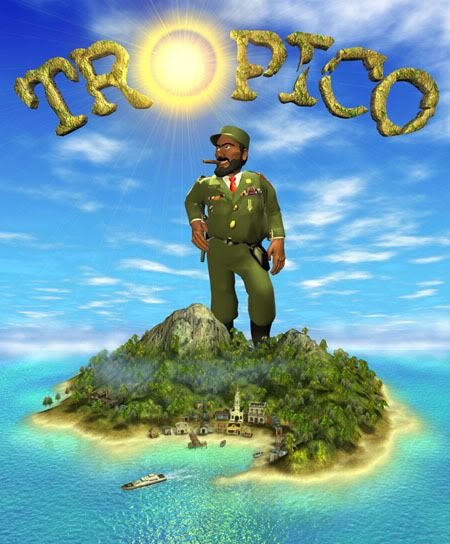
No, he looks more like a Caribbean dictator or, at most, an Eastern European dictator. So why then isn't Bison fighting out of Nassau or Belgrade? Ugh Capcom, did you really want to throw another character representing a country that is already represented? I mean your game is called The World Warrior, how about getting more of the world in there? I know there was no Wikipedia back then but surely you could have gotten ahold of an old CIA fact book.
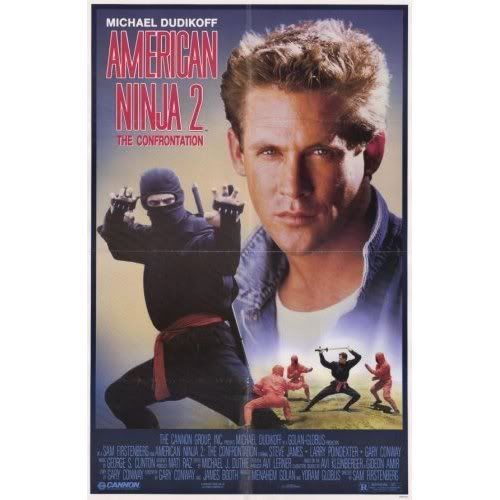
Maybe that's why he technically represents a flag with a skull on it: Sagat was already from Thailand and so was Adon. Sure this was the height of the Michael Dudikoff and the American Ninja franchise but this didn't mean we needed more and more martial arts bullshit. Congrats, because of you we now have the UFC and the glorification of the bellicose douchebag.
Tuesday, February 23, 2010
Stages: M. Bison
Friday, January 29, 2010
Stages: Sagat
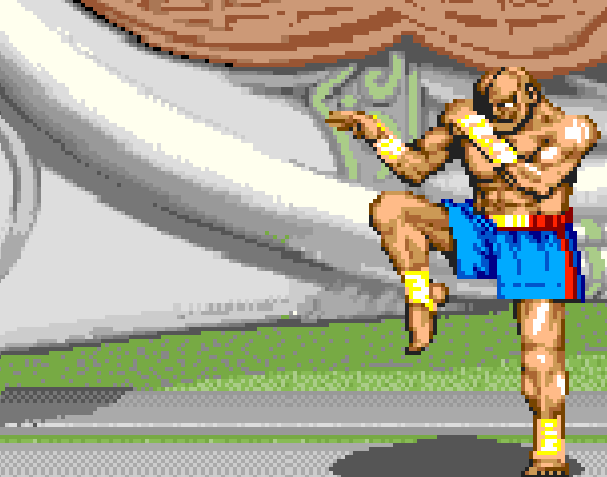
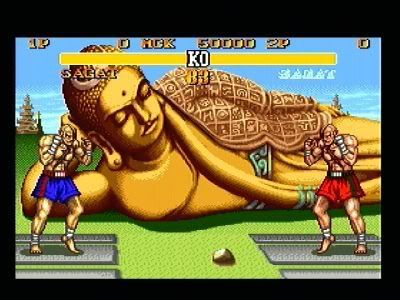
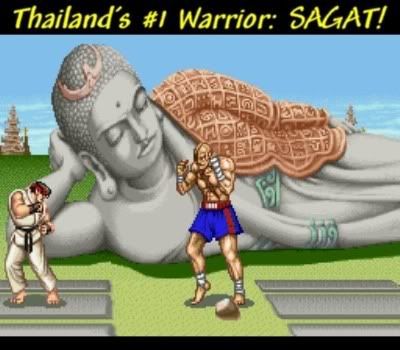
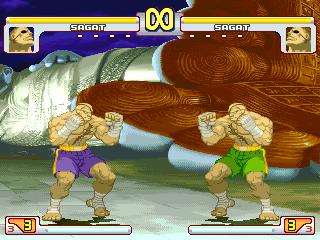
We reach the penultimate of the original 12 Street Fighter 2 characters' stages. Sagat was demoted from being the boss in the first game to the boss's right hand man in the second edition, a demotion that would forever haunt him as Bison became the default final characters while Sagat remained marred as nothing more than Ryu's evil yet respected enemy.
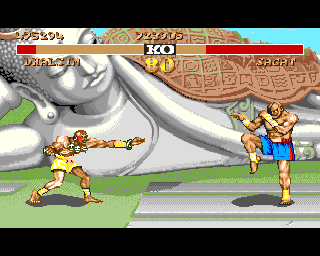
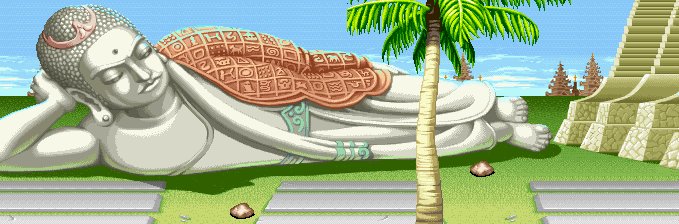
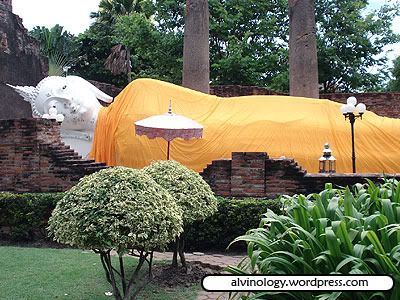
It just so happens that the Thailand stage is my favourite in the entire game. There is something about the giant angled sleeping Buddha statue in the background which conveys a sort of majesty that certainly goes with the character even if it doesn't necessarily go with the country. To a kid playing these games when they came out wasn't about going to Thailand because it was full of sleeping giant statues, it was the mysticism attached to the statue, how that statue defined a particular religion, a religion that was completely different from what we grew up with.
Though curiousity about Eastern philosophy wasn't the reason why this stage was my favourite. It was mainly the aesthetics of it. The way the giant Buddha reigned over the entire screen in its somber sleep at an angle that looked almost 3D in the middle of the 2D gaming world. Besides it's not like you would see a lot of it. It was a pain in the ass to get to Sagat and once you did it you'd beat him in one or two tries and then you wouldn't see it again.
I suppose its safe to assume that Sagat is a Buddhist. All of that way of the warrior junk that he shares with Ryu, how they're both looking for nothing more then a challenge because they're so badass certainly would help the assumption. How such a warrior ended up being Bison's second is certainly beyond my comprehension but he did and now is merely second fiddle. Is this a metaphor for the country of Thailand? no.
So lets get back to the giant statue. A Buddha statue representing a Buddhist country makes sense, while it certainly not the only thing that defines the country but by choosing only one aspect and doing it right they managed to make the stage especially noteworthy. Yes they could have gone with a beach scene but that could be anywhere from Phuket to Acapulco. Yes there are giant Buddha statues in other countries but there is no fighter from Myanmar.
What was Thailand up to in 1989? I'm not gonna pretend that I know but the Buddhism thing is still going on today as it was in 1989 and way before that. By choosing to convey a timeless attribute they've turned a country that is otherwise known for knock off soccer jerseys into an ethereal landscape that will forever remain unchanged. You know just like Sagat's obsession with fighting and shit.
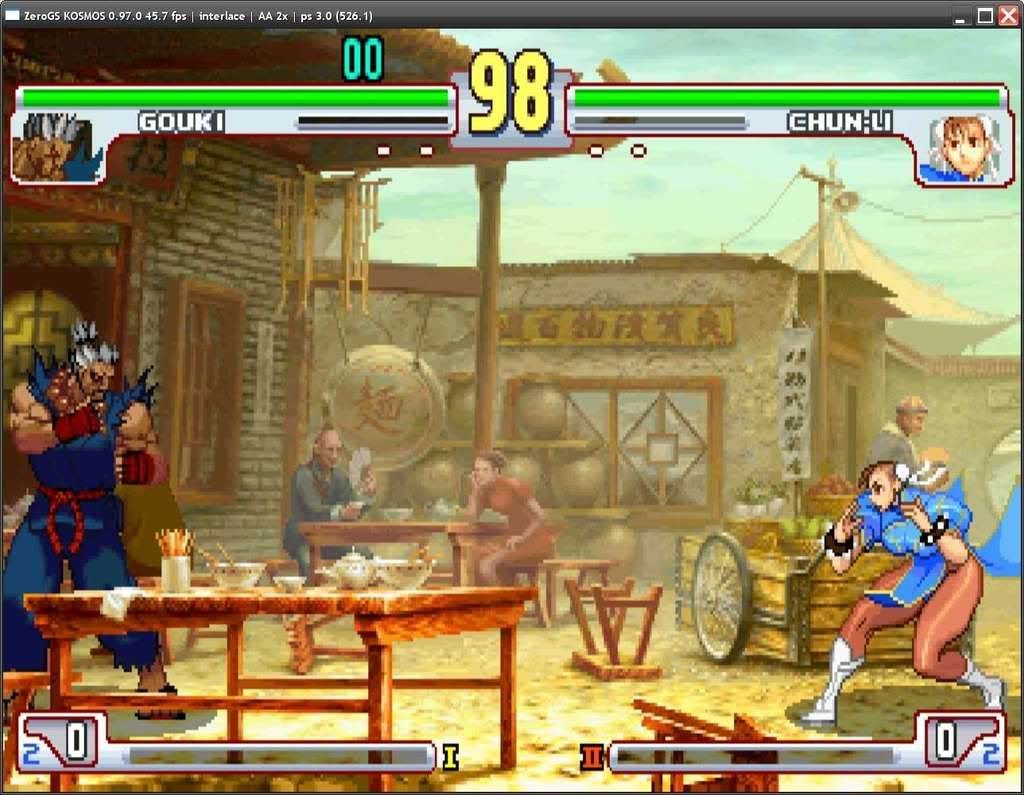
The story as the series progressed is the same with almost every other character. Capcom moved away from individual stages in favor of random locales which could be just about anywhere. At some point the fight was held at the statues feet, though I can't figure out if thats a legit Street Fighter game or some MUGEN stage. It's a shame too because individual stages based on the old ones with today's technology would have been the balls. It might be making a comeback in Super Street Fighter IV but I'm not to happy with how thats turning out to really care. More on that in a future post.
Monday, December 21, 2009
Stages: Balrog
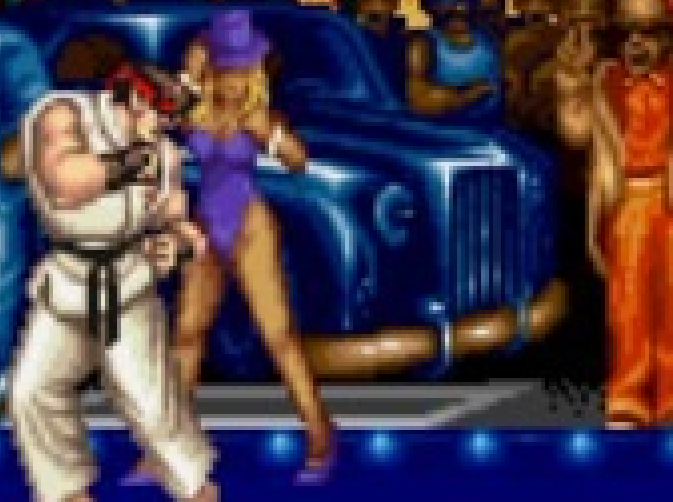
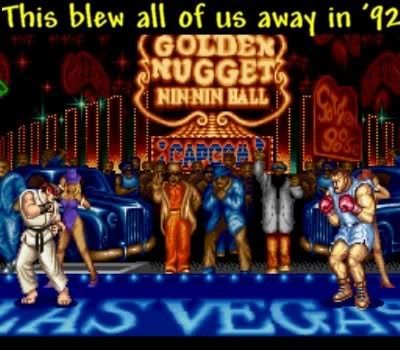
Today we take a break from the usual Modern Warfare 2 stuff and come back to an old classic: the stages post. Balrog (or Mike Bison, or Vega or Boxer) is the second boss character in the original Street Fighter and the third American we profile. Just like Ken and Guile's, Balrog's stage shows us a completely different aspect of American culture: the excess most commonly associated with Las Vegas.
It would have been too obvious to have Balrog's stage be an actual boxing ring. It would have also been very interesting seeing how Vega's stage was so unorthodox, another odd stage with different properties would have been fun to play in. Balrog could have projected off the ropes and landed devastating punches, alas he still lands devastating punches but does so with significantly less theatrics.
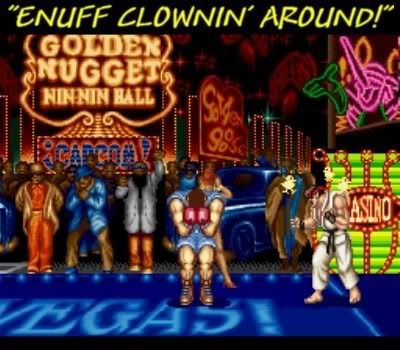
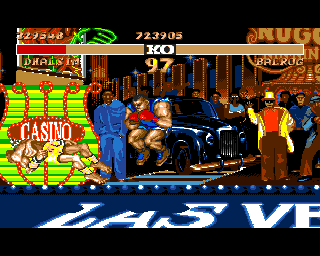
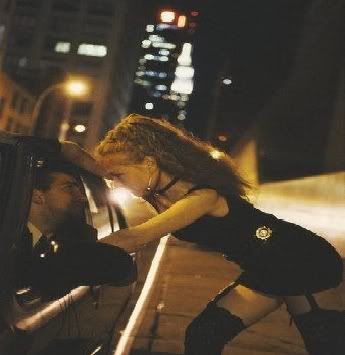
Instead he's fighting in the middle of the Las Vegas strip, in front of the Golden Nugget Casino no less, which shares the backdrop with some fancy cars, bikini-clad women and a substantial array of pimps. This fits in perfectly with Balrog, especially as his character evolved throughout the series. He is portrayed as a less than average intellect who uses exceeding brute force and fights strictly for the money.
Does the stage portray the excesses of capitalism? of American culture? not exactly. The kind of depravity that goes in in Vegas, if you're willing to believe their own motto or "The Hangover", is very specific and unique to Vegas. What we are seeing, then, is not commentary on American decay but rather on that of Las Vegas. That this might be what some choose to think about when they think of the U.S is a whole other discussion and is completely reliant on that person's own values and viewpoints. In other words its just as valid to think this is America as it is to think that the wild west, the slums of Detroit or the concept of gum smacking is what represents us (and this blogger can now, happily say "us" as he recently became a U.S citizen). We are informed by our perceptions, obviously, but we choose which perceptions to believe.
The stage itself is awfully lively. The characters in the back move around quite a bit, the music is fast paced and the challenge of facing Balrog and his quick punches and charge attacks is something that feels completely in place in such a stage. That Balrog was originally an unlicensed clone of Mike Tyson doesn't hurt either. We've all seen Vegas fights and are familiar with the tacky glamour that accompanies them, here is a chance to take part of this glamour, in 1992 using a green electric beast man.
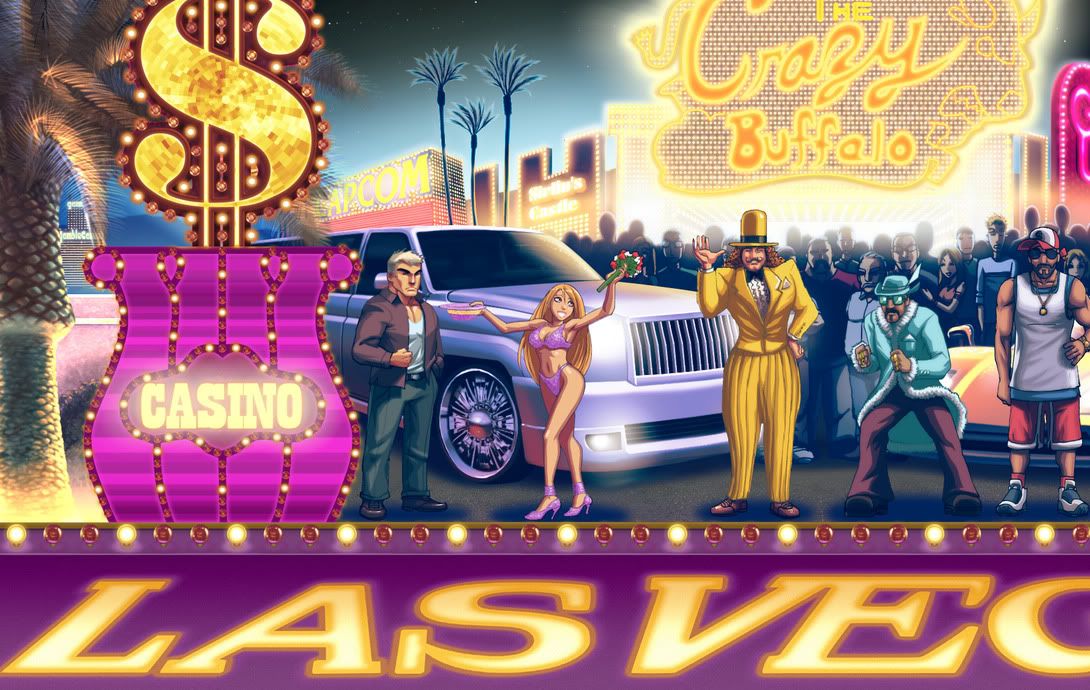
The stage received a great update in the recent HD remake of Street Fighter II. The bikini wearing women remain as do the pimps (one of which looks like a white Snoop Dogg meets Daniel Day Lewis in Gangs of New York) but a douchebag wearing a baseball hat and basketball shorts (poker player? yeah definitely) and an escalade have been added. Oh yeah this is excess. This is decay, this is, and they will be the first to tell you, Vegas.
Friday, November 6, 2009
Stages: Vega
Note: the title should be read as a parody of David Bowie's "Changes" (i.e Staaa aages)
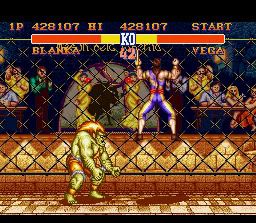
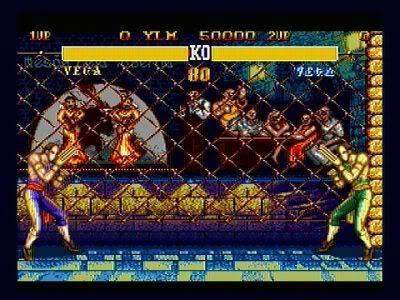
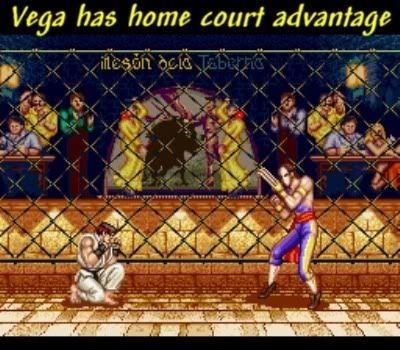
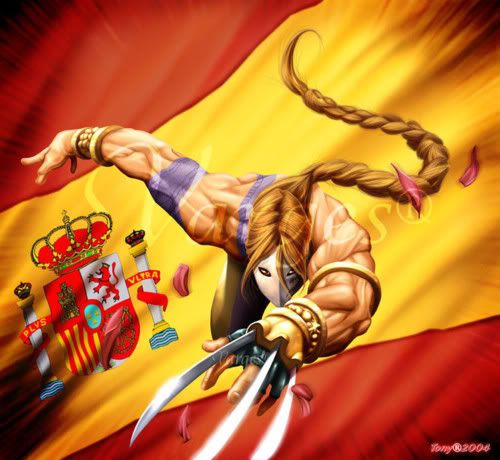
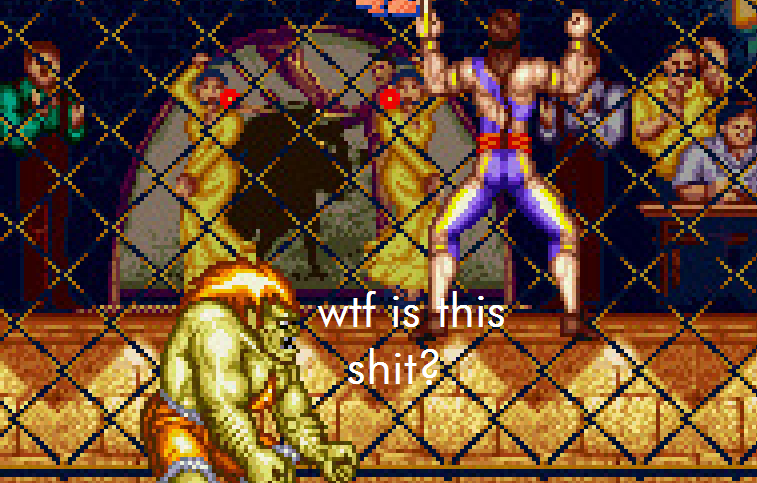
The Spain stage is unique in the Street Fighter series in that it plays an important role in at least one move that Vega can perform. When the masked-clawed one decides to jump against the wall like fucking Spider Man and jump on top of his rival that fence has to be there otherwise it looks like he's just floating in mid air.
This was not a problem in the original SF2 because Vega was not meant to be a playable character but merely one of the final four Shadaloo members. Therefore the possibility of him ever playing in another stage was nonexistent and the developers were free to chain him to that stage as much as they could. In later games, in which he was actually playable, his moves were altered so that he jumps off the edge of the screen and not that fence.
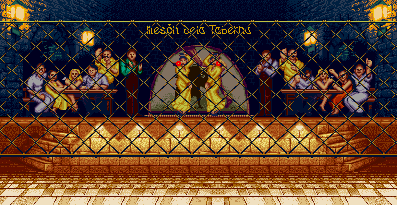
But back to the stage. It seems that the working idea behind its design was to cram as much Spain in it as possible. He's fighting in front of a chained-off restaurant in which patrons are no doubt eating tapas as they enjoy a flamenco dance in front of a bullfighting mural. This is Spain in the late 80's, a fun place to enjoy drinking, eating, entertainment and a good fight. It's in Europe sure but it retains that luster and excitement characteristic of a downtown in a culturally rich third world country. There's socioeconomic commentary for the month.
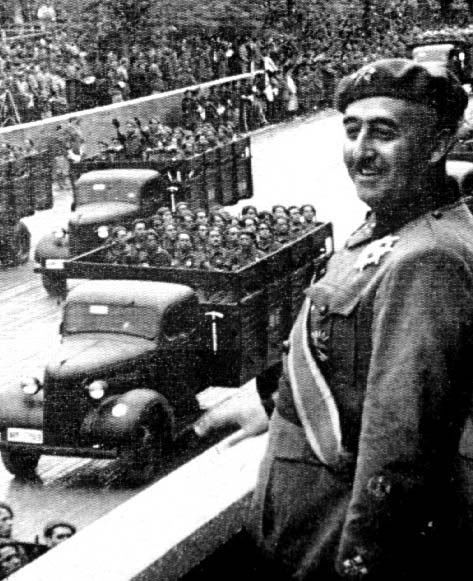
The music plays a vital role in the selling of this as SPAIN. It appears to be borrowed directly from the intro music used for Don Flamenco in Punch Out. Globalization not being what it is today, knowledge of Spain was limited to flamenco music and tapas, there is no sign of the first world socialist haven that the country would evolve into. But at least its not mired in the civil wars and fascist dictatorships that the country suffered through in the middle of the last century.
As for Vega, well he evolved. Not a lot really, he still appears as an ADD raddled metrosexual in the latest Street Fighter game, but at least he has been consistently portrayed as the most cold blooded member of Shadaloo throughout the anime, manga and games. Unfortunately the same cannot be said with the slap in the face that was his casting in the Chun Li movie.
Saturday, October 17, 2009
Stages: Ryu
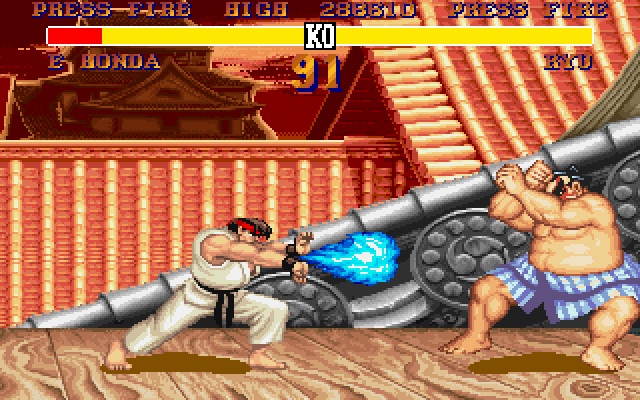
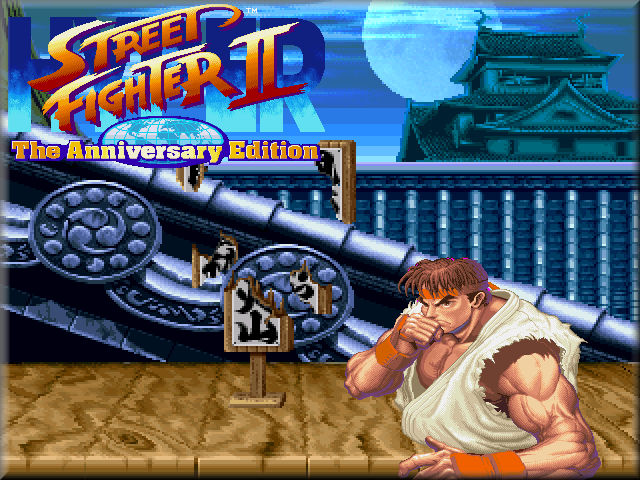
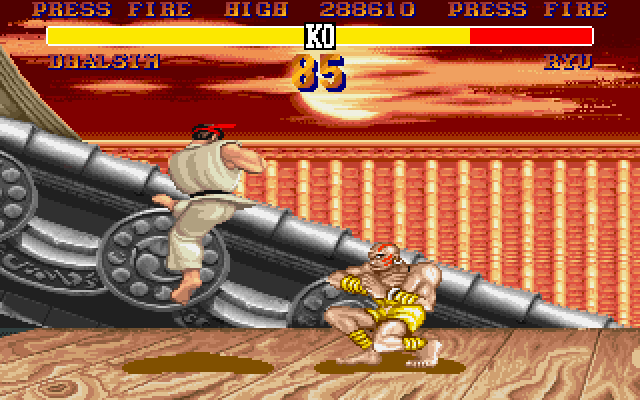
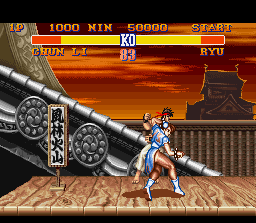
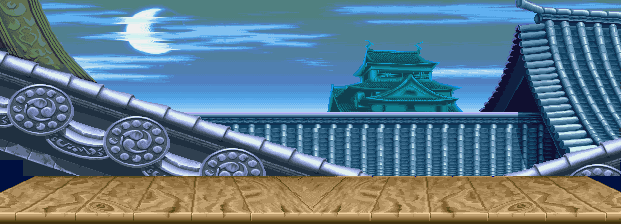
We now reach the last stage of the original (selectable) characters of Street Fighter II. Like Honda's bathhouse Ryu's stage is set in Japan, not in modern neon Tokyo but in a more traditional setting. Japan is widely known for the juxtaposition of old and new, Ryu's stage has no juxtaposition its simply a rooftop in traditional Japan, where it can as easily be 1889 instead of 1989.
The stage doesn't say much about Japan in the late 80's, it is the only stage that is way more interested in representing it's character than its country. The twilight, the moon, the religious buildings all reek of transcendental meditation and all other spiritual mumbo jumbo that Ryu is known for.
I've always thought that making Ryu so focused on fighting and training (as opposed to, you know, women, booze and fast cars) was a bit annoying. Sure he can be all about having a good fight but come on! he has to be interested in other things. This quest to be "the best" has to take a backseat sometimes but apparently it doesn't. Honestly it makes Ryu looks pretentious and this stage does not help dissuade this thought one bit.
But like I've mentioned in other posts this is a necessity in a fighting game, Ryu might have been the first one and he remains the best. Truthfully we already have a more laid back, more relaxed Ryu and his name is Ken.
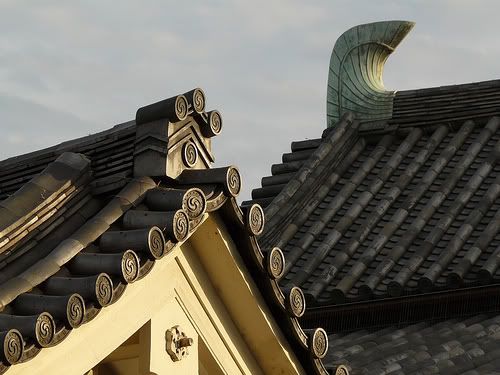
Getting back to the Ryu stage: I always thought that the shinto rooftop had a couple of cannons crossing it and for the longest time had a completely wrong idea of Japan. This type of house or shrine can be found throughout Japan so it works. It's not flashy or nationalistic but neither is Ryu so I suppose it works. Like I mentioned in the Honda post the game producers were able to go deeper into Japan than into any other country therefore the stages that emerged were not as stereotypical nor exaggerated here. Of course this also doesn't leave much room for our type of analysis.
Well this was it for the first eight but it's not the end of Stages. Shit, its barely the half way point. Next up will be the four Shadaloo bosses (one of which fights in my favourite stage) and afterwards its off to the new challengers. After that there's still a bit more planned. But that's still a few months away so no worries.
Finally I should mention that I got most of my screen shots (and blog pictures) from Moby Games. I assume its a great site, I'll add a link in appreciation.
Saturday, October 3, 2009
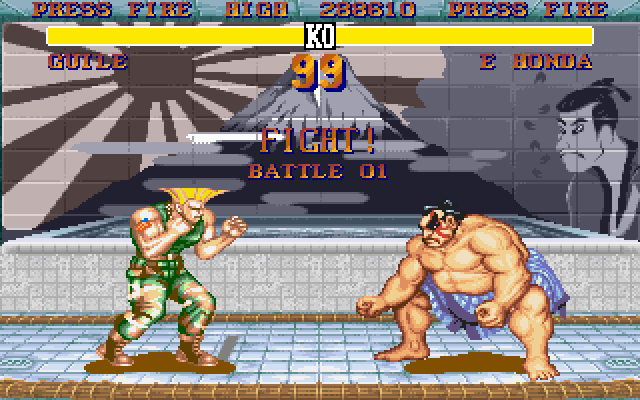
Stages: Honda
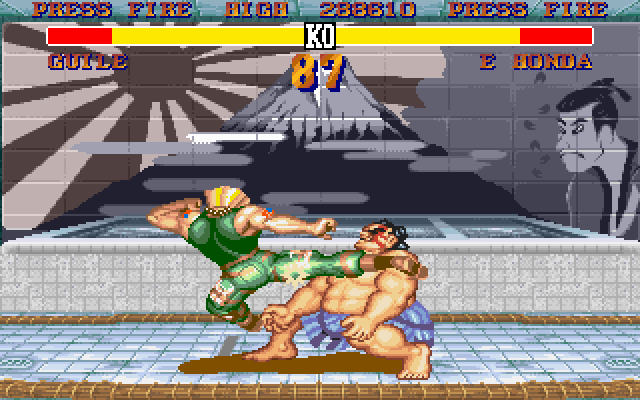
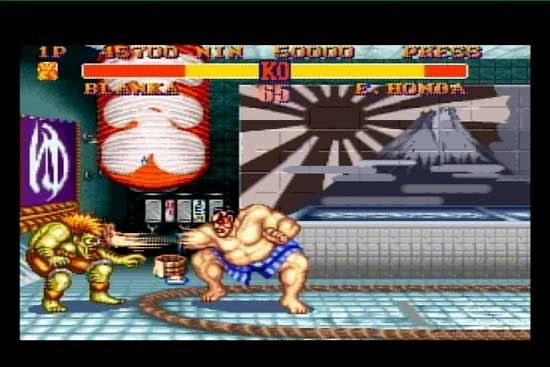
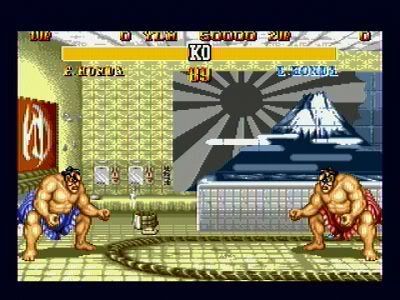
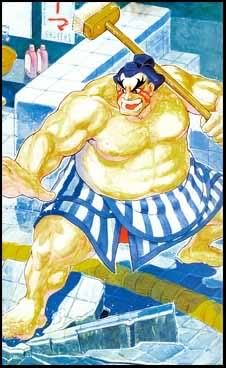
One of two Japan stages in the original Street Fighter II was Honda's bath house (or Sento or 銭湯). The good thing about the two Japan stages is that they were not designed with stereotypes of the country traditionally known to outsiders, the Sento might be very traditional in Japanese culture but it is not stereotypical, the juxtaposition of it next to the Japanese Sumo wrestler creates the sense that even though we don't know about the Sento or its importance we do instinctively associate it with Japan.
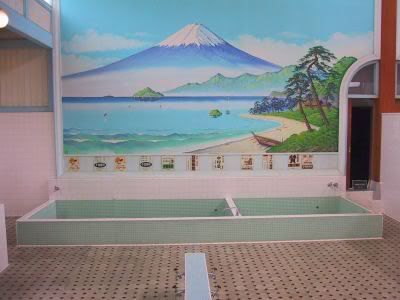
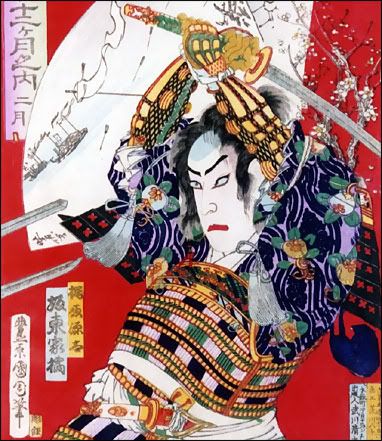
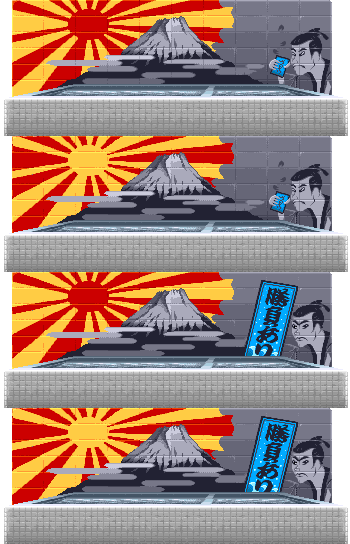
The bathhouse in Honda's stage is very traditional, in fact it looks just like this one. A community pool (bath) in the middle with a traditional Japanese painting (with landscape, rising sun and kabuki player) on the wall next to it. Towards the sides baskets and what appear to be soap machines lie, accessories no doubt present in any communal bath. Of course everybody knows that once the match is over the kabuki man lights up. Since the Sento isn't specifically linked to Sumo the story was that Honda worked there. The stage made appearances in some subsequent games, including some crossovers.
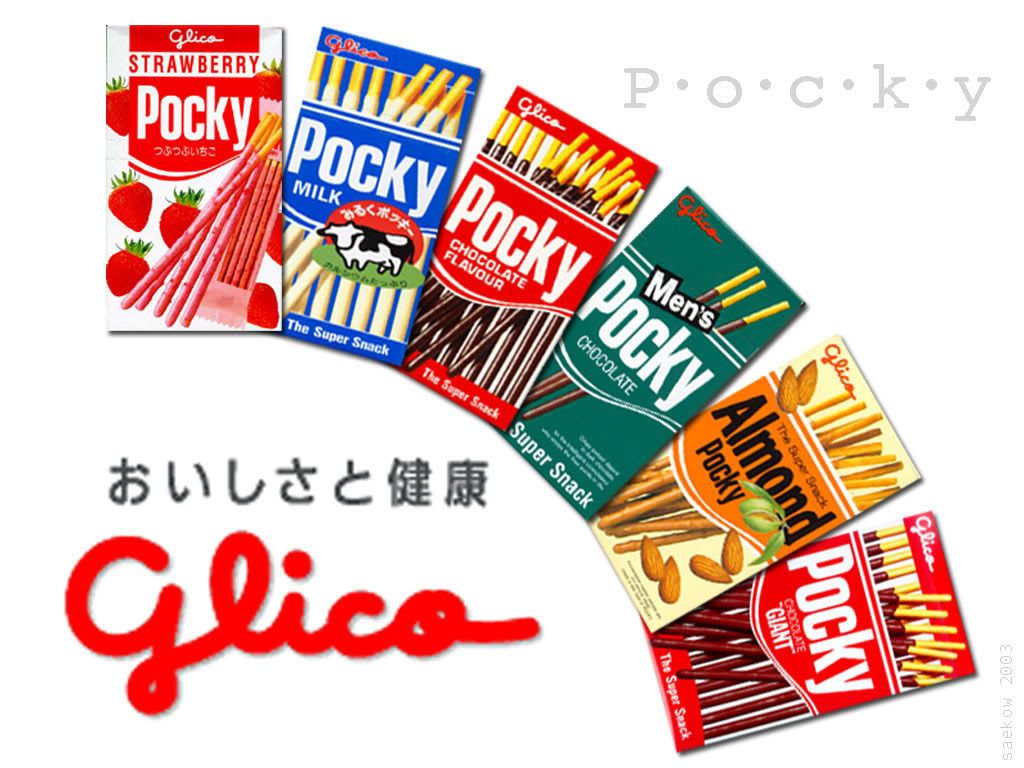
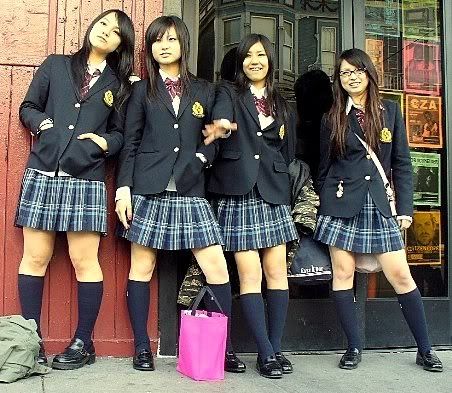
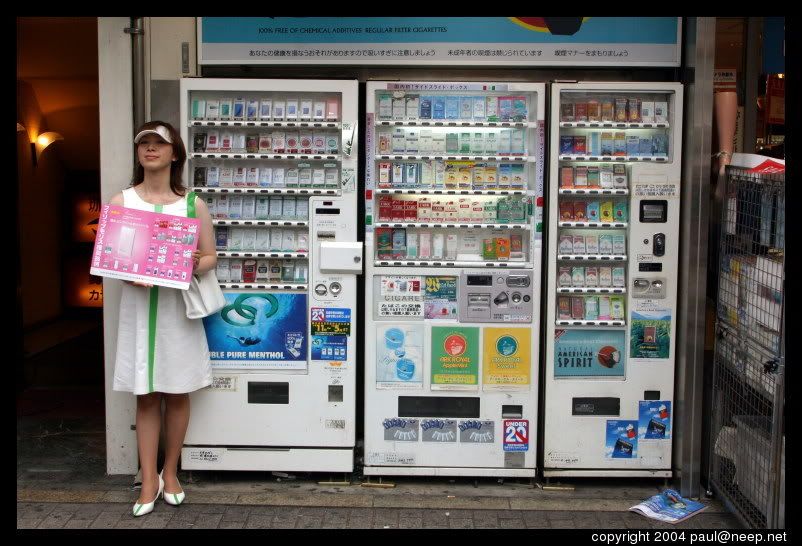
The stage would be very recognizable to the Japanese and those who know its culture. The question of how to scream "JAPAN" to an outsider is more complicated, should they have included godzilla? baseball? pocky? schoolgirls? ome of those weird vending machines? the bottom line is they could have potentially messed the stage up in grand fashion if they wanted to go with total stereotypes, fortunately they decided to keep it classic, respectful and more realistic.
As the spread of Japanese culture across America (and the world) becomes stronger its customs, including the more obscure ones, become more well known and accepted. Twenty years after the release of SFII we no longer need the obvious stereotypes and therefore appreciate the inclusion (and possibly introduction) of lesser known Japanese traditions such as the bath house.
The only downside to this is that the knowledge of a culture on the part of Japanese developers was limited when it came to other countries, therefore when it came to places such as India or (as we will see later) Mexico, they did have to go with complete stereotypes. Leaving those outside those countries with a wrong impression of them and those inside with wondering just what the fuck was going through the developers minds.
There it is, a Japan heavy entry with no mentions of Sapporo, I'm sorta proud of myself.
Friday, September 18, 2009
Stages: Guile
Note: the title should be read as a parody of David Bowie's "Changes" (i.e Staaa aages)
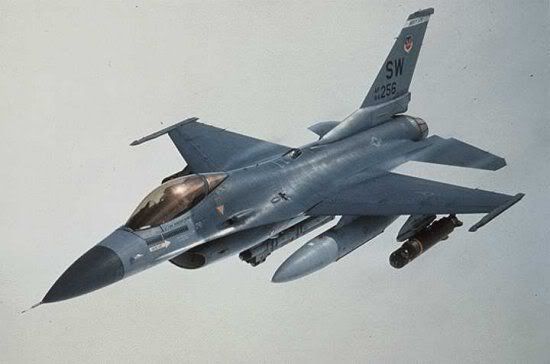
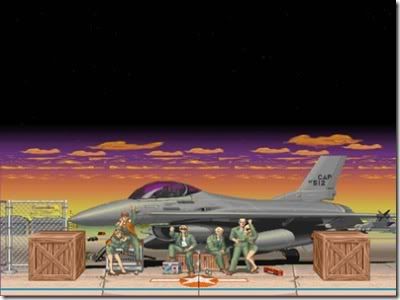
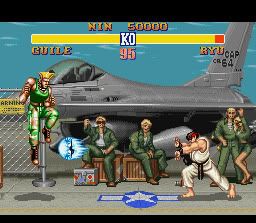
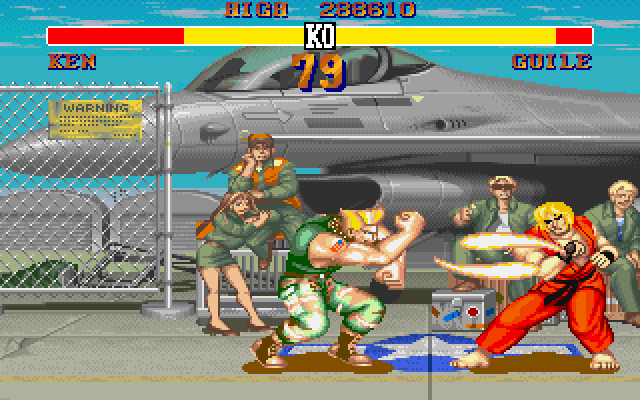
Because nothing says "superpower" better than a display of military might it was only fitting that Capcom would go to an airbase full of fighter jets to represent Guile's stage. Ok maybe its not full of fighter jets but the one F-16 certainly proves the intended point: the U.S has the most advanced air force in the world, just look at that fucking jet!
The stage has some other interesting features. First there is a U.S Airforce roundel right in the middle of the stage, in the same spot that the hammer and sickle holds in the Zangief stage, the message is simple: freedom, brought to you by the U.S military vs oppression brought to you by bureaucratic factories in the USSR. This isn't a negative thing, its simply the truth! The cold war ended with the inefficiencies of the Soviet model of "communism" laid completely bare, the differences between the two stages highlight these inefficiencies while still maintaining that the U.S and its over reliance on its military is not a utopia either.
In the interest of treating this entry as a meditation on the cold war let us pursue a comparison of the two stages. The many levels of fences in the USSR stage are a complete contrast to the vast openness of the Air Force base, sure there are advanced machines in the Soviet factories but the workers dont have access to them, they're state owned you see. On the other hand if you really want to get in that F-16 then by all means.
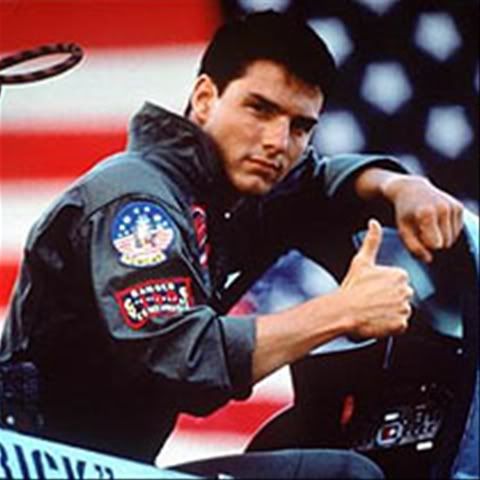
Also who would you rather hang out with? the drunken bolshevik workers or the blonde men and women of the United States Air Force, pulled straight out of the then recently released Top Gun. You could be Iceman or Maverick and, better yet, you can get laid right afterwards. In the USSR all you really have to look forward to are more and more meetings of the Comintern and the Comecon. Snore.
Lastly, lets not forget that this is a Japanese game and the differing views of the two cold war giants are not from an American, and therefore biased, point of view but rather from a Japanese. This is not to say that there isn't any bias, Japan being a capitalist country and whatnot, but this is still a valid representation of how the international community saw these two countries: the declining empire of bureaucracy vs the emerging empire of military might. The Guile stage, then, is still a jab at the U.S, but the reason we see it as a positive is because of the images we have grown up with.
Thursday, September 10, 2009
Stages: Dhalsim
I imagine the conversation in Capcom's offices circa 1988 went something like this:
Capcom Exec -Hey we need an eccentric character for that world champions fighting sequel
Capcom Creative-Ooh I know, how about someone from India? those people are crazy what with their funny hats and recent wars with Pakistan and China...
Capcom Exec -Good idea but how are we going to animate the character's stage?
Capcom Creative -Elephants. Dont they worship a crazy elephant with six arms? well lets just get lots of elephants!
Maybe it wasn't that simple but it certainly feels like it. Dhalsim truly is the eccentric, voodoo, mystery character who can get away with doing supernatural things in an otherwise non-supernatural game. So he can extend his arms and legs, so he can breathe fire, its because he's into that kooky religion! there's your explanation.
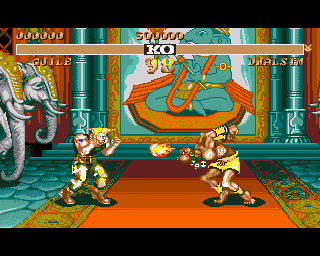
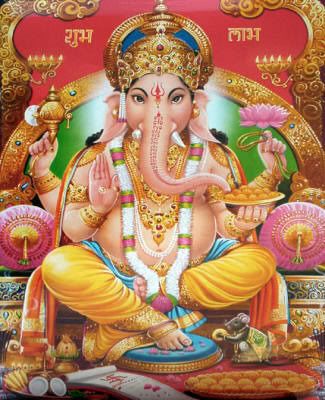
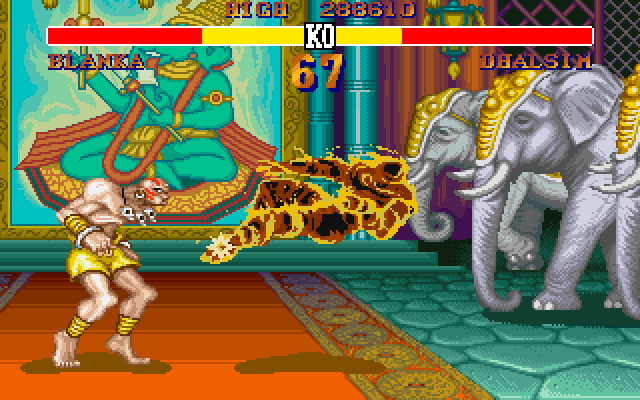
His stage suffers from much the same oversimplification and overdependence on the whole ascerbic Hindi thing. Ganesh is there not because he's the Hindu god, nor because it has any special significance for Dhalsim's abilities but rather because he's a recognizable symbol of the religion. Probably the most recognizable symbol, in fact.
Besides the big Ganesh in the middle there's not much else to look at. It's a sort of palace, there are other elephants because that's what you would expect. What else is going to be included? they weren't going to make any political statements so no Gandhi, no nuclear weapons, no mention of the wars with Pakistan or China. But none of this is necessary because this is not an educational game, it was not intended for IR majors, it was certainly not intended for people in India either.
Not that any of this is all bad, with technological and global limitations this was the best they could do. At least they maintained the elephant gimmick in subsequent games, even as they added more elements and beefed up the character.
Friday, August 21, 2009
Stages: Blanka
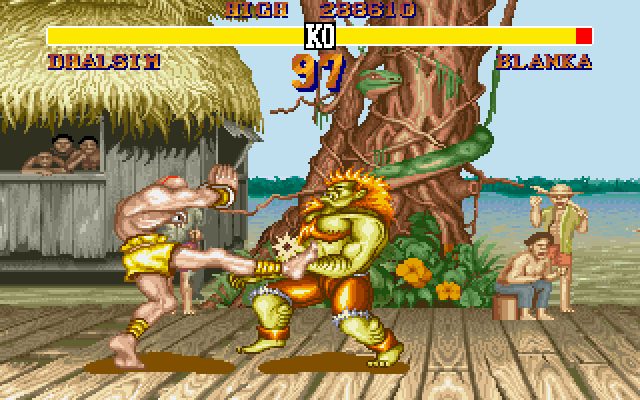
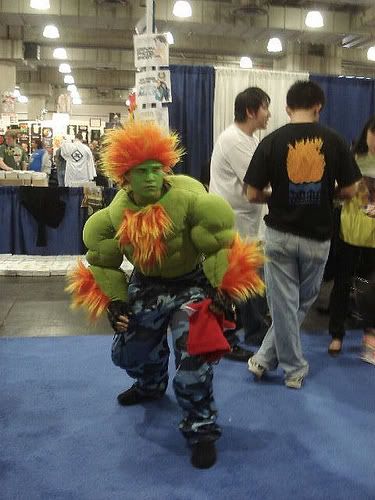
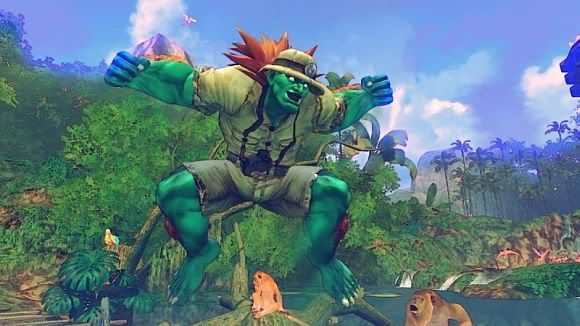
Stages now takes us to Brazil, the only place (besides Boston) where green monsters are not only accepted but downright beloved. There really is no reason for Blanka to be from Brazil: he doesnt fit the stereotypes of the time (soccer players and carnaval) nor does he speak Portuguese or belong to one of the very specific social classes.
So what makes him Brazilian? well nothing, the story is that he was in a plane crash and separated by his mother as a boy. Apparently he was lily white (hence the name) but became green with time. He only fights in Brazil because originally he was to be a sorta black slave character, the design later evolved into a freaky green man.
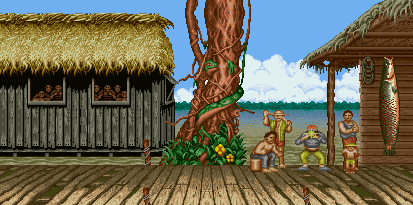
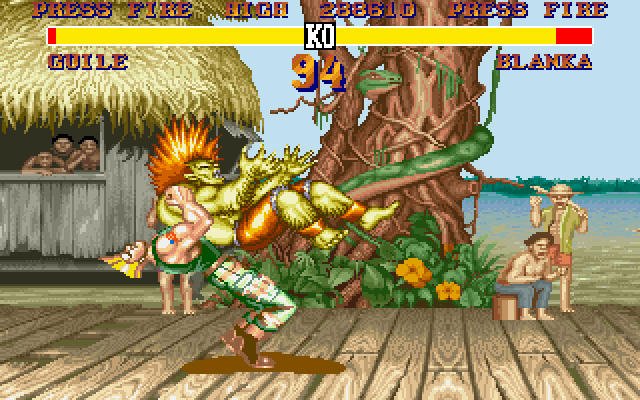
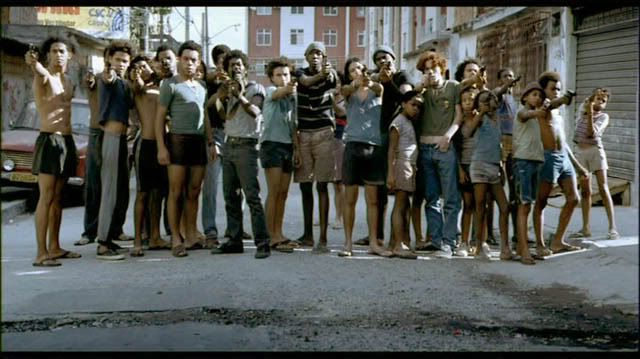
Now onto the stage. Its a basic "jungle" setting with varied flora, fauna and various people cheering on the fighters. This could be anywhere really, there is nothing that specifically says "Brazil", there is no soccer, no favelas, no racial inequalities (though you can still sorta see some in the stage), no Seu Jorge to be found anywhere. Much of this can be explained away when we realize that the world wasn't as globalized in 1989 as it is now, there was no internet, City of God had not been made yet.
Instead of this being the Brazil stage, then, it simply becomes the nondescript Latin American third world stage. Blanka could have easily been from Colombia, Peru, Mexico and the same stage (with minor tweaks) could be used. It can be reasonably argued that the stage is set in the Amazon (a possible synonym for Brazil in the late 80's) but it could easily be any other river in Latin America so even if it is meant to be the Amazon it still feels like a cop out, especially since Brazil is such a visual country.
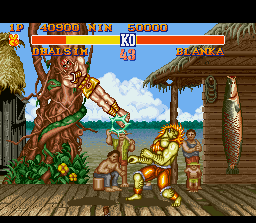
With time Street Fighter added at least one other Brazilian fighter that did not fight in the jungle while the Street Fighter IV stage for Blanka though is still very much influenced by the original. Given that Blanka is a feral beast I suppose we can give Capcom a pass for the jungle stage, if anything Blanka was not the Brazilian fighter in SF2 but rather the beastly one, he filled a required trope just as Honda was the burly one and Chun-Li the girl. The stage is simply another way in which Blanka fills that role.
Had the character been a soccer player, a plantation owner or Lula da Silva odds are he would not be fighting in the jungle, but instead in some other Brazilian landmark. The problem is that in 2009, after the character became iconic and beloved, it was time to move him somewhere else and they simply failed at that.
Tuesday, August 11, 2009
Stages: Ken Masters
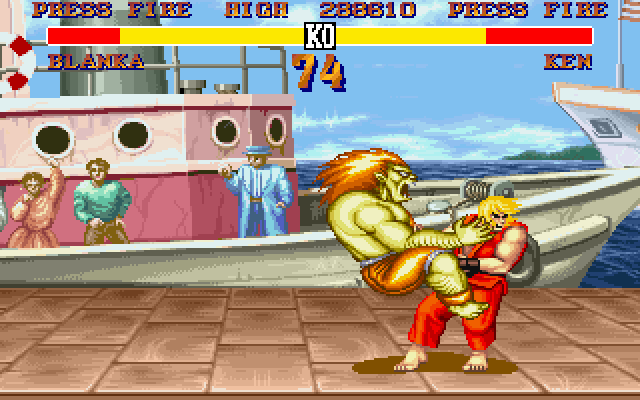
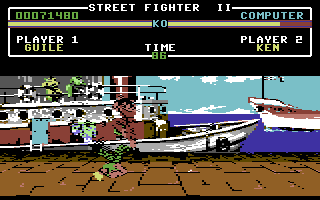
The Ken stage is one of three U.S stages in the original Street Fighter II and it is likely the most subtle of them all. There is very little "America Fuck Yeah" in this stage, ironically its less of a showboat (ironic because it has fuckin boats you see), regardless you can still feel the Americana in the air.
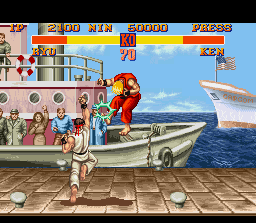
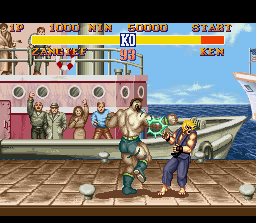
Ostensibly Ken's stage is a dock in San Francisco with boats in the background, the biggest signifier of this actually being in America is the stars and stripes one one of the side boats. Besides the flag this could really be anywhere, especially since the figures in the background appear to be nondenominational. I have to believe that even in the early 90's they would try to show some diversity in an American crowd. Despite this omission, however, there is no reason to believe this is not America. I mean Ken fuckin Masters is fighting on this dock.
Because there is not much to see besides pink tugboats we must focus on the aforementioned characters. Here we see an instance of different versions of the game having significant differences when it comes to backgrounds (as opposed to the usual, graphical differences). The most noteworthy difference is the woman (the only woman?) on the boat who can be seen wearing significantly different outfits significantly depending on the game. The reason for this is unknown but that doesn't mean we wont speculate!
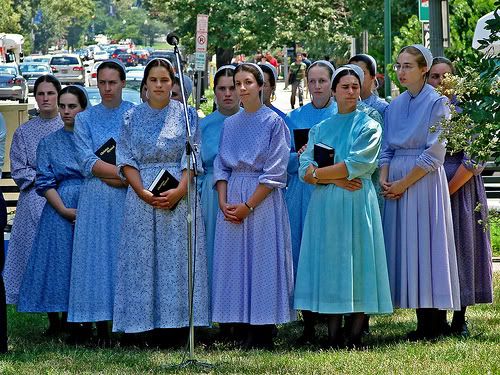
My first guess was that the version where the woman is dressed like a fucking mennonite was a cleaned up version wherein they tried to avoid having provocative women in the game. This immediately falls apart for two reasons: 1. the alternate version of the woman is not exactly wearing risque attire and b. this.
The second (and probably more accurate) would be that they were trying to avoid people thinking that because the men next to her are dressed like pimps then she would have to be a prostitute. Again, even in the more form-fitting outfit one would be hard pressed to think that the woman was a prostitute. Maybe they just went with the oversized dress in the SNES version to dissuade any assumptions.
In the end I'm a bit disappointed simply because there is not much going on here. If there is one synonym for America then as now its that it thinks highly of itself, people have tons of freedoms and can do pretty much whatever they want, this is completely missing from this stage and thats quite a downer.
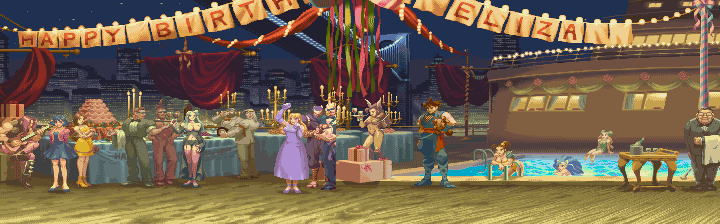
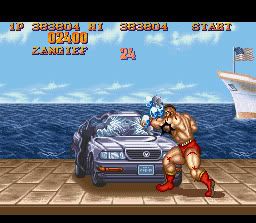
It is good to see, however, that they eventually got their act together and they gave Ken a great stage in the Alpha/Zero games. Tons going on there, an apparent birthday party for his daughter, the dock, the boat and is that Morrigan? Felicia? good. The most interesting thing to happen in the SF2 background is when they move everything out of the way and have Zangief destroy a car.
Sunday, August 2, 2009
Stages: Chun Li
I suppose it was inevitable that a video game that purported to represent the worldwide political situation in the late 80's would include a few communist states. In the first installment of Stages we talked about one of these states, the Soviet Union, and today its the other (the one that still "exists") China.
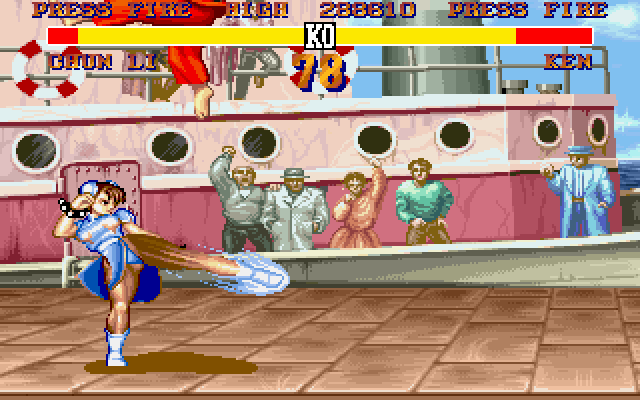
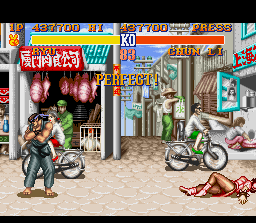
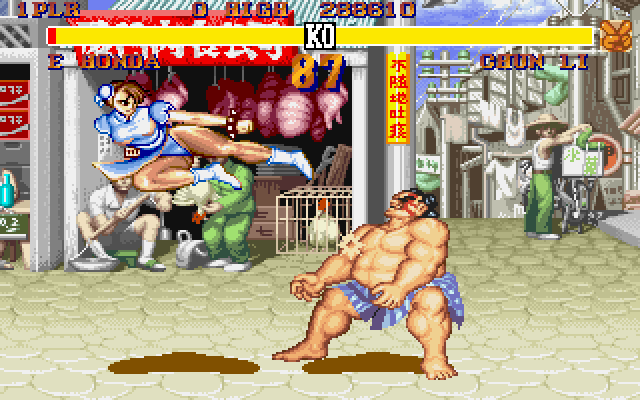
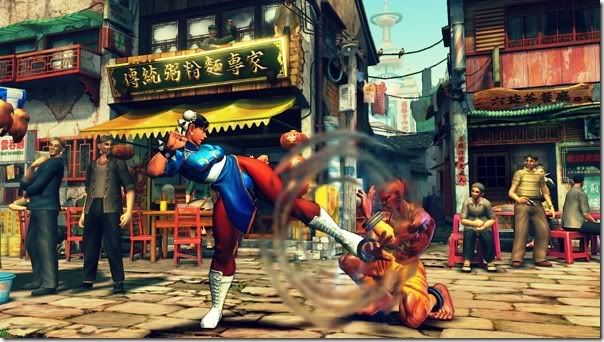
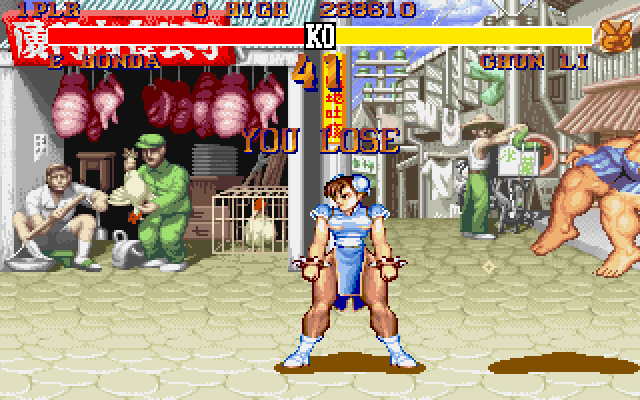
The Chun-Li stage was not as blatantly commie as the USSR, this could have been for a number of reasons: 1. China was no the evil empire and had by then opened up to the U.S and begun to open up, economically at least, to the rest of the world. 2. The U.S simply did not know that much about China at the time, it wasnt as glamourous: dirty streets, people in bicycles, chickens. Its third world and that unpaved street? yeah that's how you can tell.
The background is really fascinating, there's an electric pole, because China is just getting electricity; some hanging meat, because refrigeration is so capitalist and, most fascinating at all: some boxes of Coca Cola. Amazing! talk about capturing the zeitgeist! sure today China is the most powerful country in the world but this stage shows the country becoming powerful, accepting capitalism, renouncing Mao...ok maybe it doesn't show that much, but it certainly paved the way for this and, of course, this.
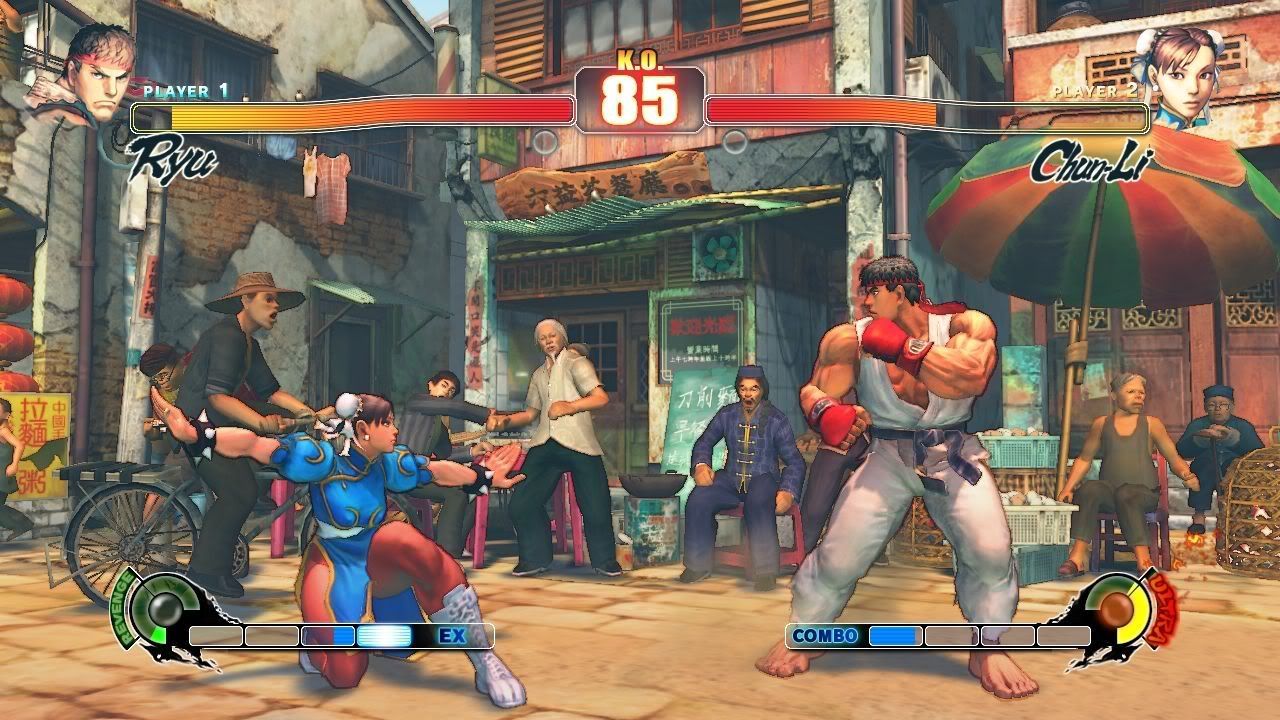
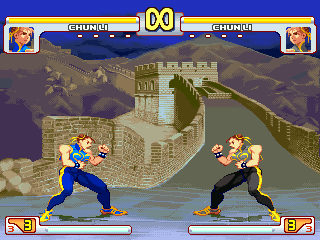
China did advance socioeconomically (for some classes at least) from the time of that first stage until now but it, along with Chun Li's trademarked outfit, remain up until the newest Street Fighter which doesn't have individual stages per se but some are pretty obvious. Somewhere in between she moved her fights down to the Great Wall [nerd fact: that screen is from SF Alpha which takes place before SFII so technically she initially had her fights at the wall] as well as to some other corner of China.
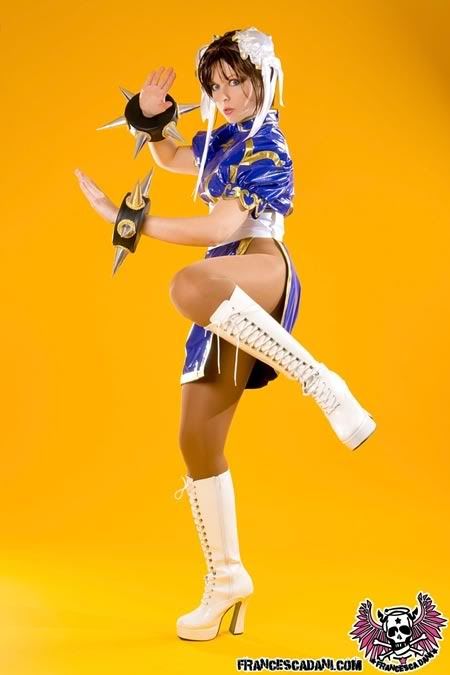
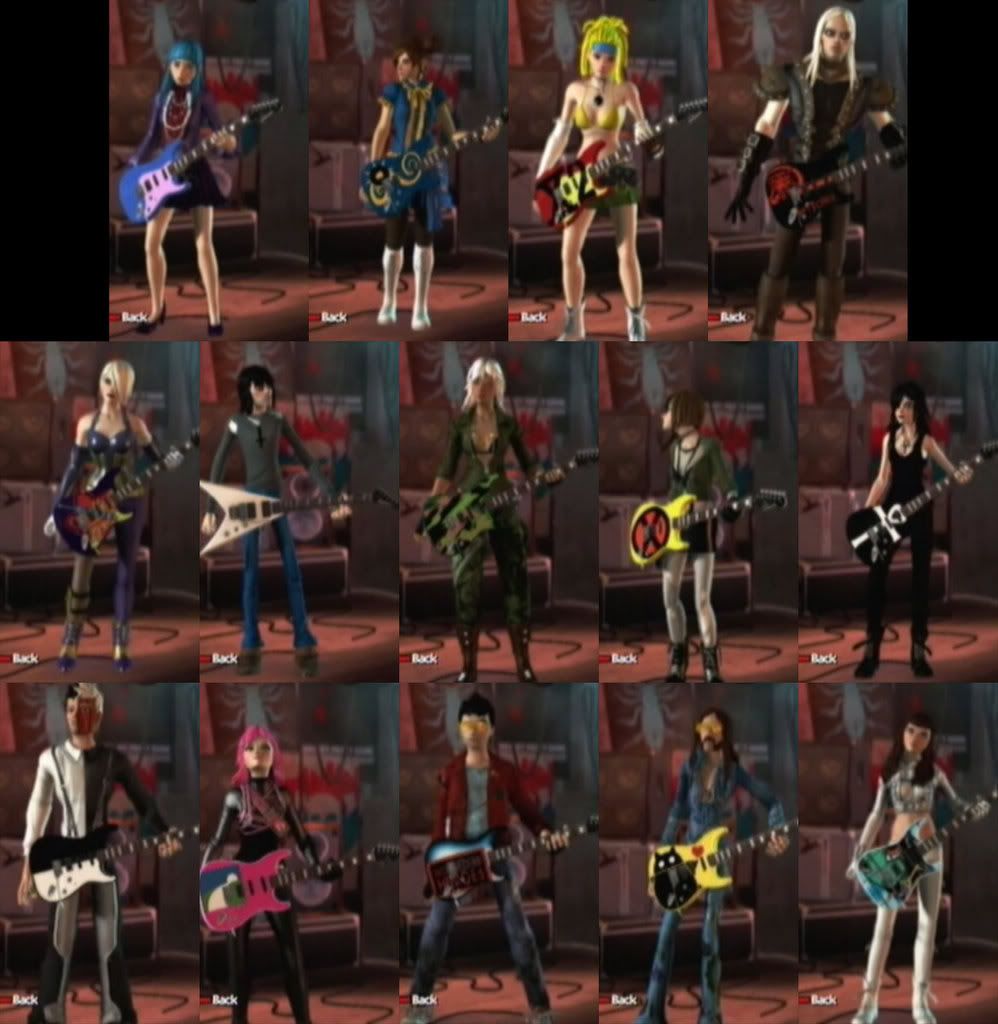
Chun Li has become of one of the most important characters of the Street Fighter lineup, artbooks focus on her, there are tons of galleries full of cosplay, she got her own comic book, shes in Guitar Hero, hell she even got her own movie this year, one in which, perhaps ironically, she was not played by a Chinese girl. As a result its probable that she became, like Zangief, a standard of the country she represented even as that country and that stage became less representative of each other.
Friday, July 31, 2009
Stages: Zangief
Today we begin a new series dedicated to the individual stages of each of the original 12 characters of Street Fighter II. Why? well its simple really, the subtitle of the game was "The World Warrior" and as such it sought to define each of the fighters according to characteristics found in their respective nations, the stages are defined in the same manner.
Thus each stage captures the zeitgeist of a particular nation, as seen through the eyes of Japanese and American developers, in the late 80's and early 90's. For many of us these were the first glimpses of foreign cultures afforded to us, for a while the character became synonymous with the country and the country with the particular stage.
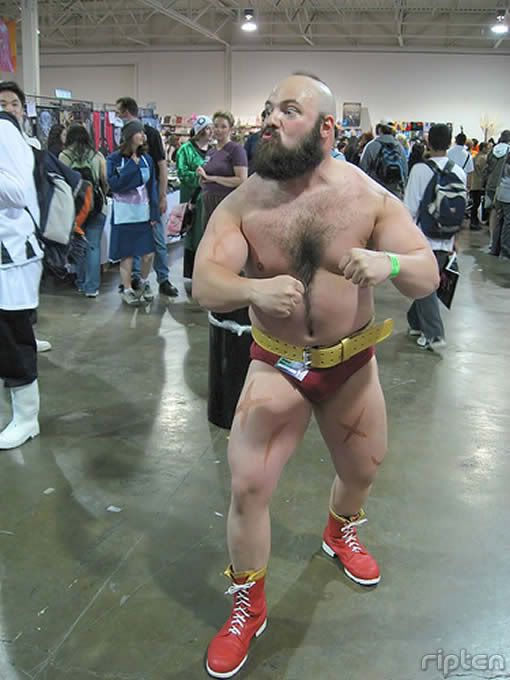
Zangief is unique among the original characters simply because his country no longer exist. The bear-like wrestler is one of the most famous Soviets ever. The character was an obvious image of what America, if not the world, perceived the Soviet Union to be: a strong, hairy beast with the potential to literally pick up and annihilate any and all challengers, sure he might be a bit slow but it did not take much to anger him and once that happened he could really do some damage.
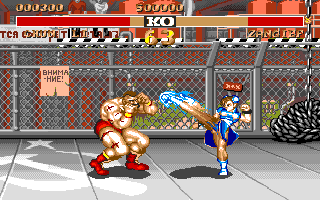
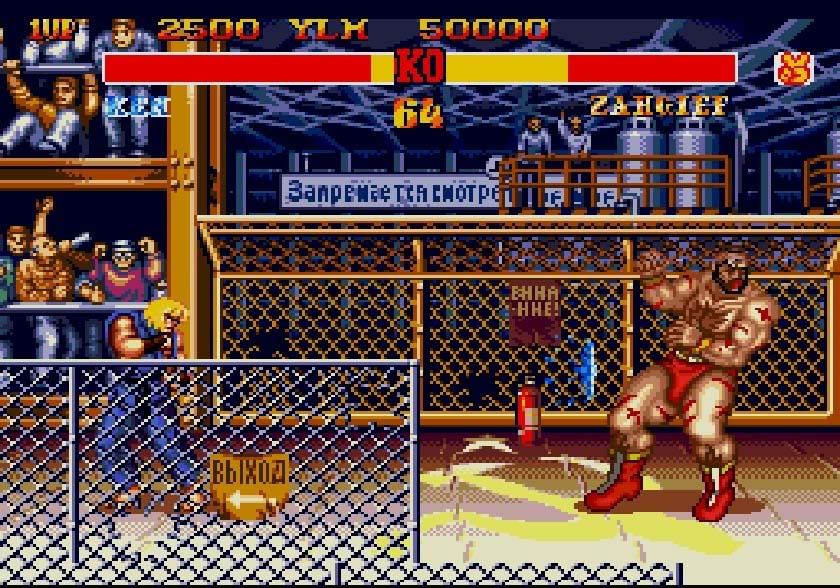
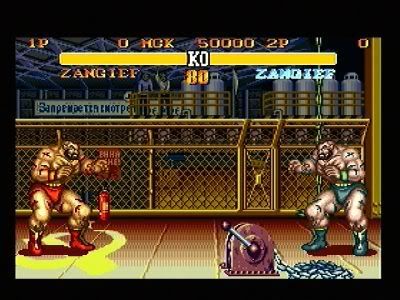
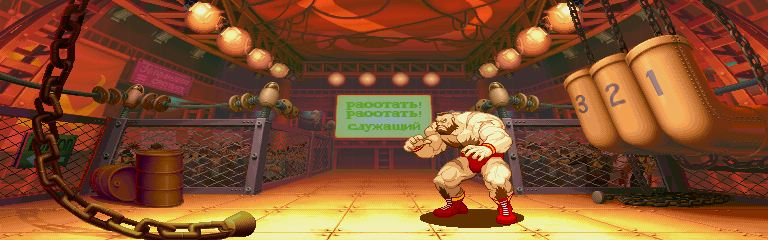
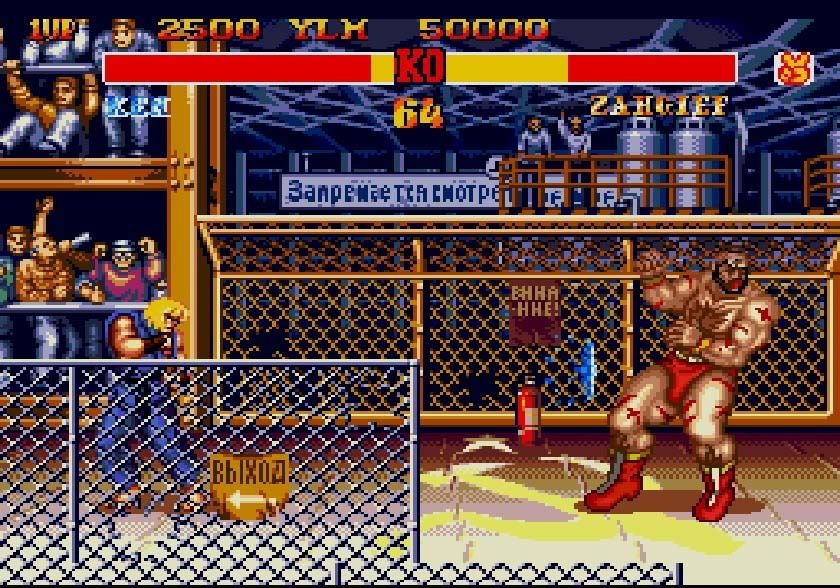
It is only fitting that the USSR stage is set in a power plant where many workers are present. After all the Soviet Union was an industrial powerhouse, the factories were state owned, everybody was guaranteed a (bad) job. Its also fitting that this socialist utopia was not portrayed as particularly productive, after all the workers arent working (they dont have that drive that capitalist workers have) and they're actually drinking, on the job!
The picture portrayed is clear: sure the worker is celebrated and technically owns the factories but look at them! fuckin lazy! and drunk! the scribbly words are scary, there are shoddy made fences and the one fire extinguisher in the entire country is just standing there, unattended in the middle of two men fighting. In such context how could Chernobyl have taken anybody by surprise.
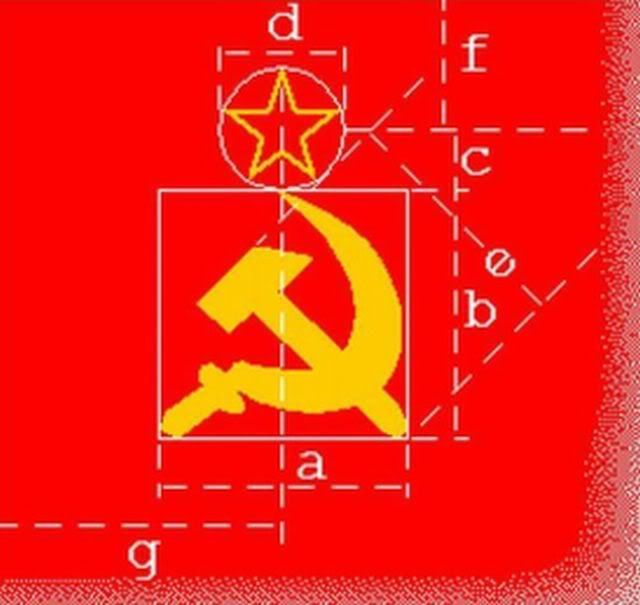
There is also that huge hammer and sickle in the middle of the stage, yes the USSR was guilty of cultivating a strong sense of nationalism (as opposed to, you know, Marxism) and that such an emblem be omnipresent is not far from reality. That it was present in a video game machine in America, in such a centric place at the end of the cold war could only inspire American nationalism, the thought that we were, in fact, better than those drunkards, after all the U.S is all about freedom and there is NO SUCH THING in poor Zangief's stage. Not only that but what a fuckin sausage fest.
As the Soviet Union disappeared and more games appeared, Zangief's nationality changed to Russian, his stage remained a power plant but the workers, the emblem and the oppression were all gone and his characterization changed from an angry bear to a carefree, lovable oaf.
The contradictions between the USSR stage and those in the United States will only become more obvious as we look at the American stages, three in fact, all of which exclaim (loudly) the greatness that is the States, though almost twenty years later many would gladly take a steady job and some vodka.